Lift Kits
Complete lift kits for trucks and SUVs across the Rio Grande Valley — matched springs, shocks and hardware installed with the alignment and geometry correction a real lift demands. We match the kit to the truck.

Lift Kits at a glance
- 2-inch spacer or level-style lift
- $450–$1,100
- 2.5–3-inch suspension lift
- $1,200–$2,400
- 4-inch suspension lift with steering correction
- $2,400–$4,200
- Four-wheel alignment after the lift
- $90–$180
Lift kits that keep the truck driving straight
A lift kit is more than blocks under a spring. Done right, it raises the body or suspension so bigger tires clear the fenders, the stance sits level, and the truck still tracks down the highway without wandering. Our lift kits pair springs, shocks, and steering correction as one system so nothing fights anything else. Whether you want a modest two-inch lift for taller rubber or a full four-inch suspension package for ranch work, the goal is a truck that looks right and drives right.
- Matched springs, shocks and hardware in one box
- Geometry correction so the truck still drives true
- Installed, aligned and road-tested before pickup
Why a lift kit makes sense in South Texas
Between caliche ranch roads, the occasional flooded low-water crossing, and the simple wish to run a taller tire without rubbing, Valley truck owners ask for lift kits for reasons that have nothing to do with looks alone. A little more ground clearance keeps the underbody clear of rocks and ruts on the way to a lease, and a level, lifted stance reads better in a driveway full of half-tons. Because the region stays warm and dry most of the year, the hardware you install is less exposed to the road salt that eats lifted trucks up north.
- Extra clearance for ranch roads and river crossings
- Room for the larger tires drivers actually want
- A dry, mild climate that is kind to suspension hardware
- One install that handles clearance, stance and steering
What a lift kit package includes
Every package is built around your exact truck, so the parts list changes with year, make, trim and how high you want to go. The core is always the same: lift the front and rear together, then correct whatever the lift disturbed.
- Front coil or spacer matched to the rear height
- Rear blocks or replacement leaf packs
- Longer shocks tuned to the new travel and weight
- Track-bar, drag-link or steering-knuckle correction
- Bump-stop, brake-line and driveshaft-angle attention
- All-new Grade 8 hardware and a full torque sequence
How a lift kit install works
We follow the same sequence on every truck so nothing gets skipped and nothing is left to chance.
-
1. We confirm the year, trim and package and pick the right kit height.
-
2. We measure ride height and check ball joints, bushings and brakes first.
-
3. We install the front lift, correcting steering and camber as we go.
-
4. We install the rear lift.
-
5. We fit longer shocks and check every brake and ABS line for slack.
-
6. We set thrust angle and align the front end to the new ride height.
-
7. We road-test for wander, vibration and rubbing, then torque all hardware.
What lift kits cost
A lift kit bill is the kit plus labor plus the alignment that always follows, and it scales with height and complexity. A spacer lift on a half-ton stays modest; a full suspension lift with new coils, shocks and steering correction costs several times more. Kit prices themselves vary by year and trim, and by whether you choose a name-brand shock or a budget option, so treat every figure as a range until we see the truck.
- 2-inch spacer or level-style lift
- $450–$1,100 installed
- 2.5–3-inch suspension lift
- $1,200–$2,400 installed
- 4-inch suspension lift with steering correction
- $2,400–$4,200
- Four-wheel alignment after the lift
- $90–$180
- Add-a-leaf or rear leaf-pack upgrade
- $400–$900
Lift kit fitment by vehicle
Independent front suspension and solid-axle trucks need entirely different kits, so we order by the exact application rather than a generic number. Tell us the trim and any tow or off-road package and we match the kit to the axle, the springs and the steering you already have.
- Ford F-150, Ranger and Bronco, including off-road trims
- Chevy Silverado, Colorado and GMC Sierra and Canyon
- Ram 1500 and 2500, gas or diesel
- Toyota Tacoma, Tundra and 4Runner
- Jeep Wrangler and Gladiator, two-door or four-door
- Nissan Frontier and Honda Ridgeline
Choosing the right lift height
Height is the decision that drives everything else. A two to two-and-a-half-inch lift clears most 33-inch tires and keeps the steering geometry close to stock, which is why it is the sweet spot for a daily truck. Three inches and up opens the door to 35s but usually demands new upper control arms, a longer track bar and sometimes a slip-yoke eliminator on the rear shaft. We walk you through the trade-offs so the height you pick matches the tires you plan to run and the way you actually drive.
- 2–2.5 in for 33-inch tires and near-stock geometry
- 3 in and up for 35s, with control-arm and track-bar work
- Taller lifts need driveshaft and brake-line attention
- We match the lift to the tires, not the other way around
Alignment and driveline work after a lift
Lifting a truck changes camber, caster and toe, and it also changes driveline angles, so a kit is only half the job. Every install we finish includes a four-wheel alignment and a hard look at the driveshaft, pinion angle and brake hoses. Skipping that step is how lifted trucks end up wandering, chewing through front tires or vibrating at highway speed within a few thousand miles.
- Four-wheel alignment to the new ride height
- Driveshaft and pinion-angle check for vibration
- Brake-hose and ABS-wire routing and slack
- Re-torque of every lifted component after the first miles
Spacer lift versus full suspension lift
The two families solve the same problem in different ways. A spacer lift inserts a block above the coil or strut and keeps the factory springs and shocks, so it is affordable and quick but adds no wheel travel. A full suspension lift replaces springs and shocks, adds travel, and can handle the weight of a steel bumper or a winch, which is why tow rigs and serious off-road builds go that route. We quote both so you can decide based on budget and how hard you plan to use the truck.
- Spacer lift: budget-friendly, stock springs and shocks
- Suspension lift: more travel, better load and off-road control
- Full kits handle bumper and winch weight without sagging
- We quote both paths side by side before you choose
Models we fit
We confirm the exact kit for your truck. We also confirm the height. Any correction is checked before ordering.
-
Chevy Colorado Lift Kit
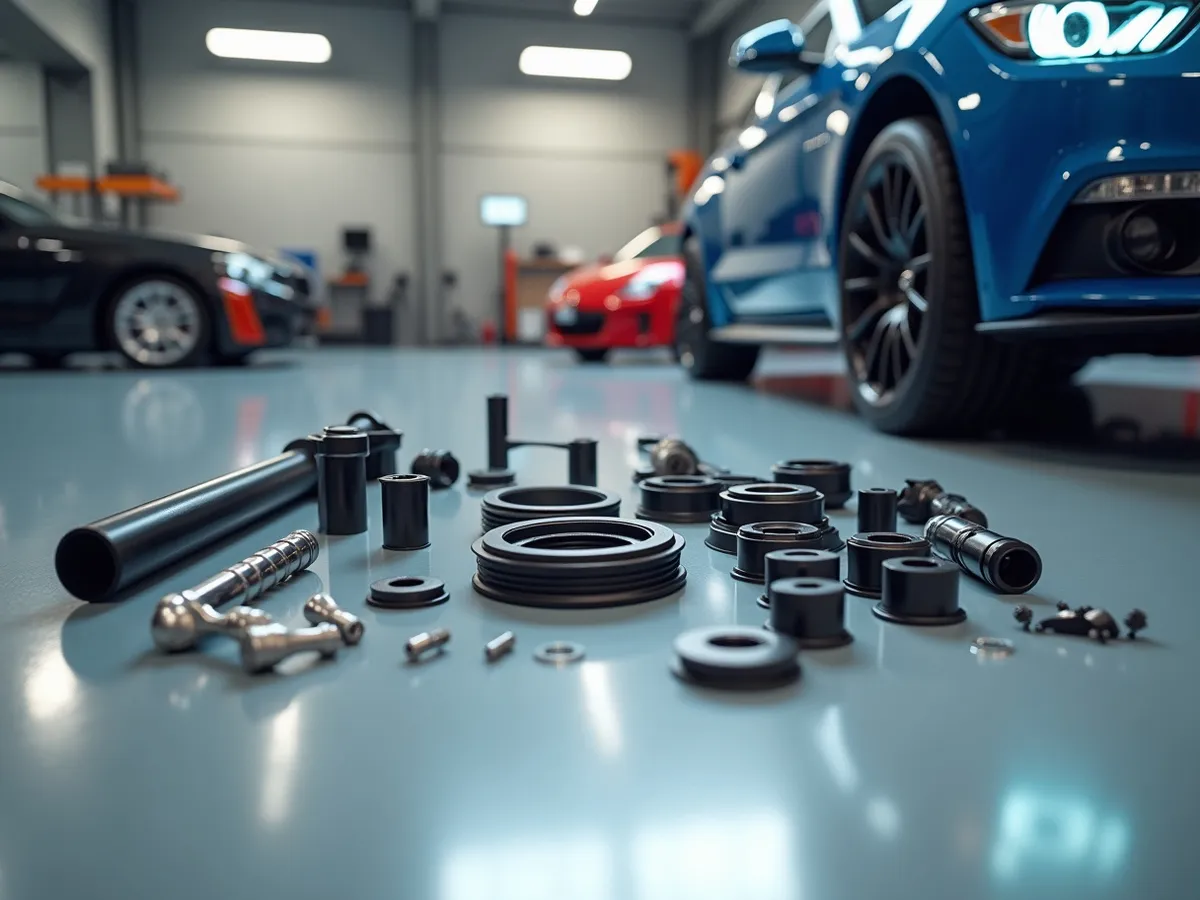
A suspension lift kit for the Chevy Colorado that adds real clearance for larger tires, with the steering and geometry correction a lifted mid-size truck needs to drive straight. The kit is built around the Colorado's coil-over front, adds corrected arms past three inches and checks the driveshaft angle so the mid-size still aligns and drives clean, and we price the arms and the alignment in one figure. The mid-size keeps its tight turning circle and easy parking, a big part of why people bought it.
-
Chevy Silverado Lift Kit
A suspension lift kit for the Chevy Silverado that raises the half-ton for 35s, with the control arms, driveshaft correction and alignment a body-on-frame truck needs to stay steady. The kit is sized to the Silverado's engine, adds corrected upper arms past three inches and checks the driveshaft angle so the half-ton stays steady with a load behind it, and we quote the arms and the driveshaft work together. It is a working half-ton, so we keep the rear leaf pack doing its job and the driveshaft quiet under load.
-
Ford Bronco Sport Lift Kit
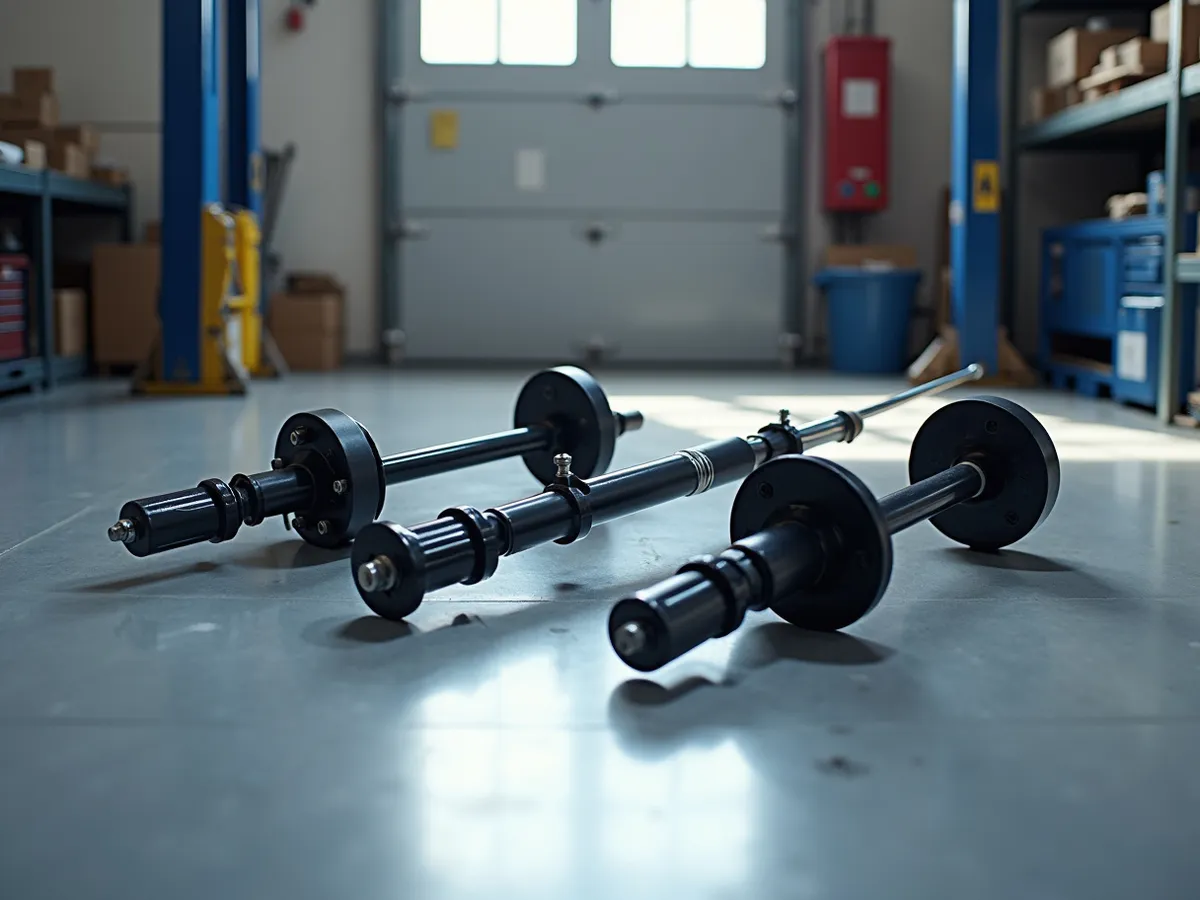
A suspension lift for the unibody Ford Bronco Sport that adds clearance for gravel and light trail, sized for a car-based compact SUV rather than the body-on-frame Bronco. The kit uses longer front struts and a rear spacer, and we hold the crossover geometry inside its design window so the SUV stays predictable on pavement and gravel alike. Ask us to confirm the tire clearance on your own Bronco Sport.
-
Ford Bronco Lift Kit
A suspension lift kit for the Ford Bronco that clears 35s, with the geometry and track-bar work a coil-sprung IFS 4x4 with a solid rear axle needs to stay stable. The kit pairs new front coil-overs with taller rear coils and an adjustable track bar, and we set caster and check the driveshaft angle so the Bronco stays planted loaded or empty, and we price the track-bar and arm work in a single figure. Nothing we fit asks the Bronco to give up its on-road composure, which matters every day between trail runs. The 4x4 stays stable at highway speed.
-
Ford F-150 Lift Kit
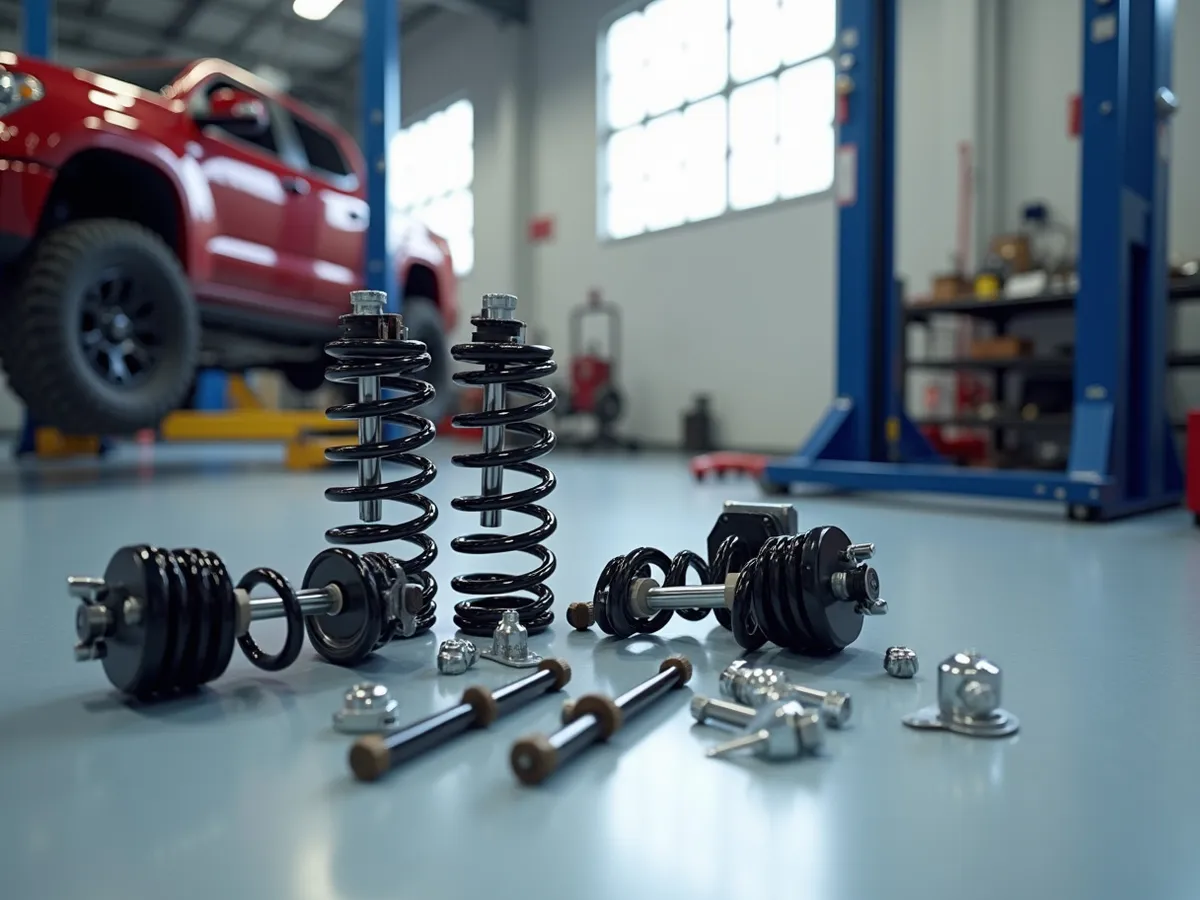
A suspension lift kit for the Ford F-150 that raises the half-ton for 35s, with the control arms, driveshaft correction and alignment a body-on-frame truck needs to stay civil on the road. The kit is sized to the F-150's engine and bed, adds corrected upper arms past three inches and checks the two-piece driveshaft angle so the truck stays composed at highway speed.
-
Ford Maverick Lift Kit
A suspension lift for the unibody Ford Maverick that adds clearance for light trail and gravel duty, sized for a car-based compact rather than a body-on-frame truck. The kit uses longer front struts and a rear spacer rather than a frame lift, and we keep the height and parts inside what the car-based platform was designed to take, and we tell you honestly where a Maverick lift stops making sense. It is clearance for loose surfaces and campsites, and we build to that brief rather than to a rock-crawler one. We keep the Maverick's easy, frugal manners intact.
-
Ford Ranger Lift Kit
A suspension lift kit for the Ford Ranger that adds clearance for 33s, with the control-arm and driveshaft work a small midsize needs to keep its easy road manners. The kit matches coils and dampers to the Ranger's lighter weight, adds corrected arms past two and a half inches and checks the driveshaft angle so it does not drone at speed, and we price the arms and the driveshaft work up front. The Ranger stays light and easy to steer, which is why most owners want it a little taller rather than a lot.
-
GMC Canyon Lift Kit
A suspension lift kit for the GMC Canyon that adds real clearance for larger tires, with the steering and geometry correction a lifted mid-size truck needs to drive straight. The kit is built around the Canyon's coil-over front, adds corrected arms past three inches and checks the driveshaft angle so the mid-size still aligns and drives clean, and we quote the Canyon's arms and alignment together. The Canyon stays easy to place in a parking lot and stable at speed, which is the whole point of a mid-size.
-
GMC Sierra Lift Kit
A suspension lift kit for the GMC Sierra that raises the half-ton for 35s, with the control arms, driveshaft correction and alignment a body-on-frame truck needs to keep its polished manners. The kit respects the Sierra's adaptive dampers, adds corrected arms past three inches and checks the driveshaft angle so a Denali or AT4 keeps its composed ride, and we quote the damper-sensitive parts as one line. We leave the adaptive damping alone, so an AT4 still rides like an AT4 with the extra height on. The half-ton gains clearance and keeps the ride a Denali was bought for. We road-test the Sierra loaded so it tows and rides the way its trim should.
-
Honda Ridgeline Lift Kit
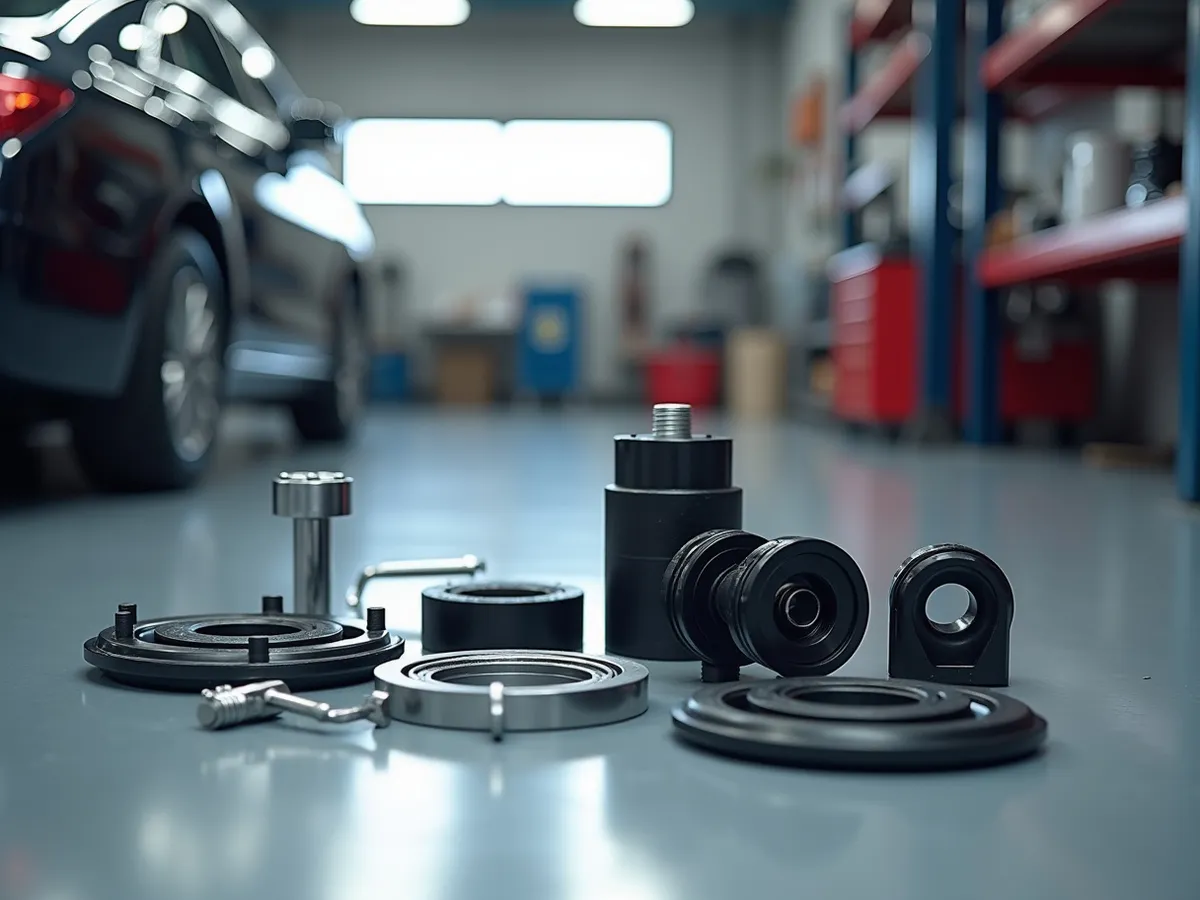
A suspension lift for the unibody Honda Ridgeline that adds clearance for gravel and light trail, sized for a car-based pickup rather than a body-on-frame truck. The kit uses longer front struts and a rear spacer, and we hold the crossover geometry inside its design window so the Ridgeline stays calm on pavement and gravel alike, and we say plainly where a Ridgeline lift stops being sensible. It is clearance for the campsite and the gravel road, and we build the Ridgeline to that brief and no further. We make it handier on loose ground, not a rock crawler, and keep the quiet, car-like manners that made a Ridgeline worth buying.
-
Jeep Gladiator Lift Kit
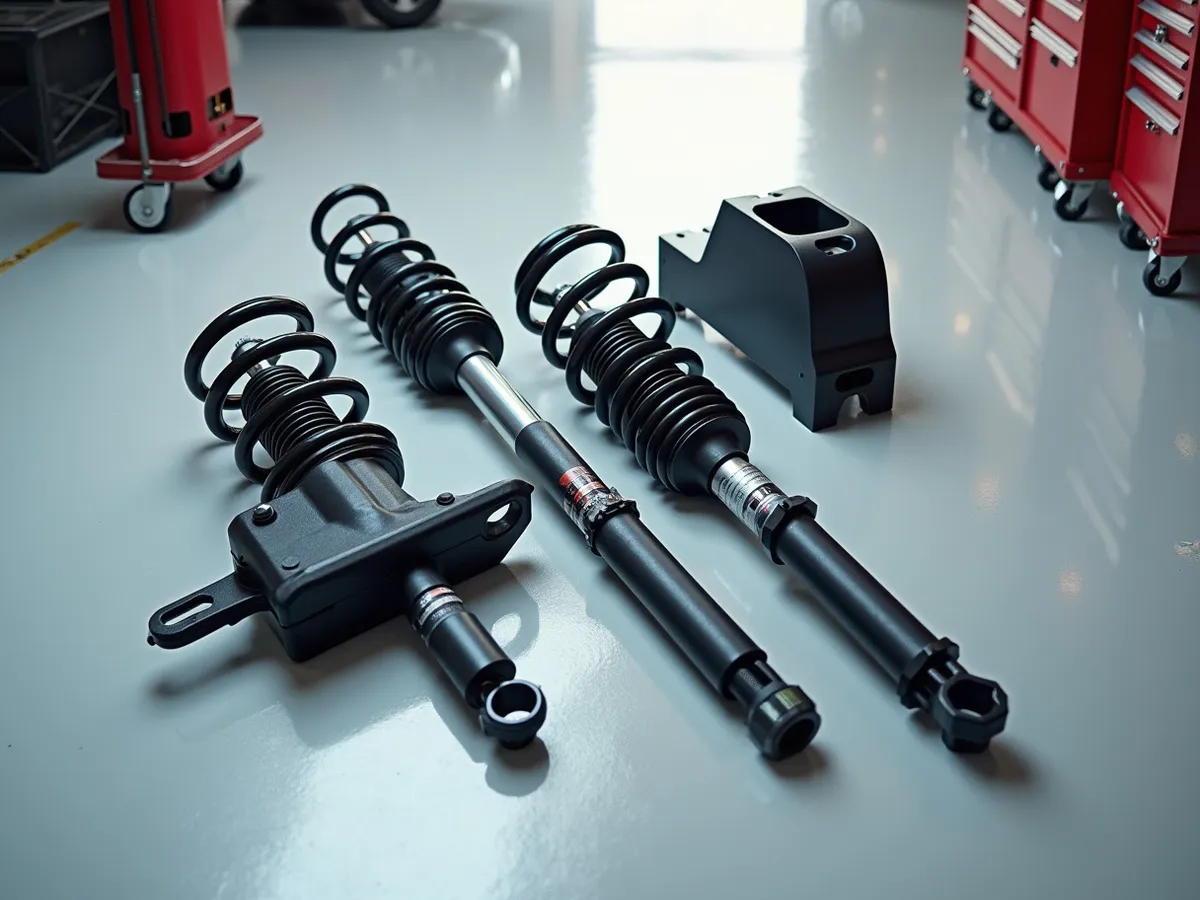
A suspension lift kit for the Jeep Gladiator that clears 35s, with the caster, track-bar and driveshaft work a coil-sprung live-axle pickup needs to keep towing straight. The kit pairs new coils and shocks with adjustable arms and track bars, and we set caster, center both axles and check the rear pinion angle so the truck tows without vibration, and we fold the driveshaft correction into the kit price. The longer wheelbase means the rear angles matter most, so we spend the time there.
-
Jeep Wrangler Lift Kit
A suspension lift kit for the solid-axle Jeep Wrangler that clears 35s, with the caster, track-bar and driveshaft work a coil-sprung live-axle 4x4 needs to keep driving well. The kit pairs new coils and shocks with adjustable arms and track bars, and we set caster, re-center both axles and check the driveshaft angles so the Jeep does not wander. We set caster and pinion angle together before the road test, and we price the arms, the track bars and the driveshaft work as one job. A Wrangler lifted this way is one you can still take on a long trip.
-
Nissan Frontier Lift Kit
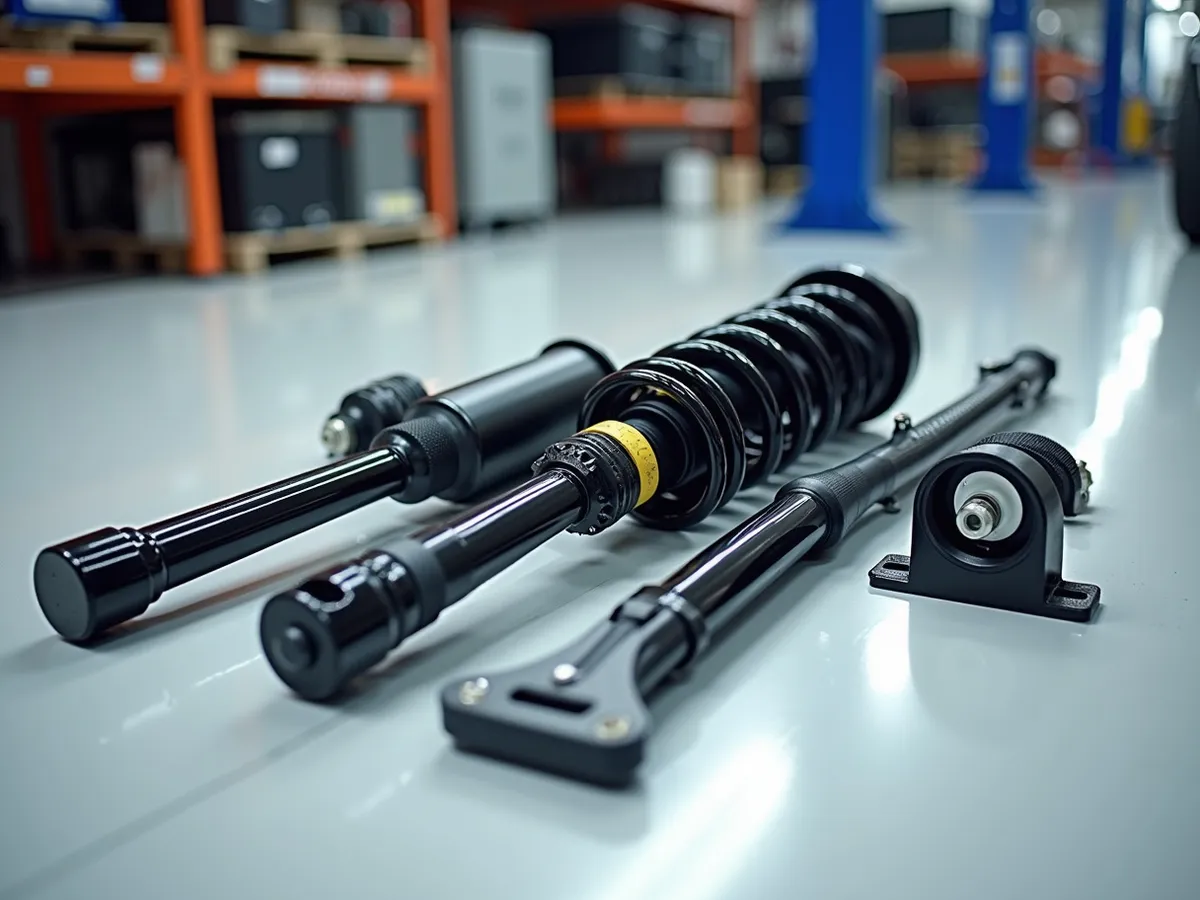
A suspension lift kit for the Nissan Frontier that clears 33s, with the control-arm and driveshaft work a coil-over mid-size truck needs to stay easy to drive. The kit matches coils and dampers to the Frontier's lighter weight, adds corrected arms past two and a half inches and checks the driveshaft angle so it stays easy to live with. We price the arms and the driveshaft work as one line. We keep the Frontier honest and workable rather than turning a value truck into an expensive project. The small truck stays easy to park and steady on the expressway.
-
RAM 1500 Lift Kit
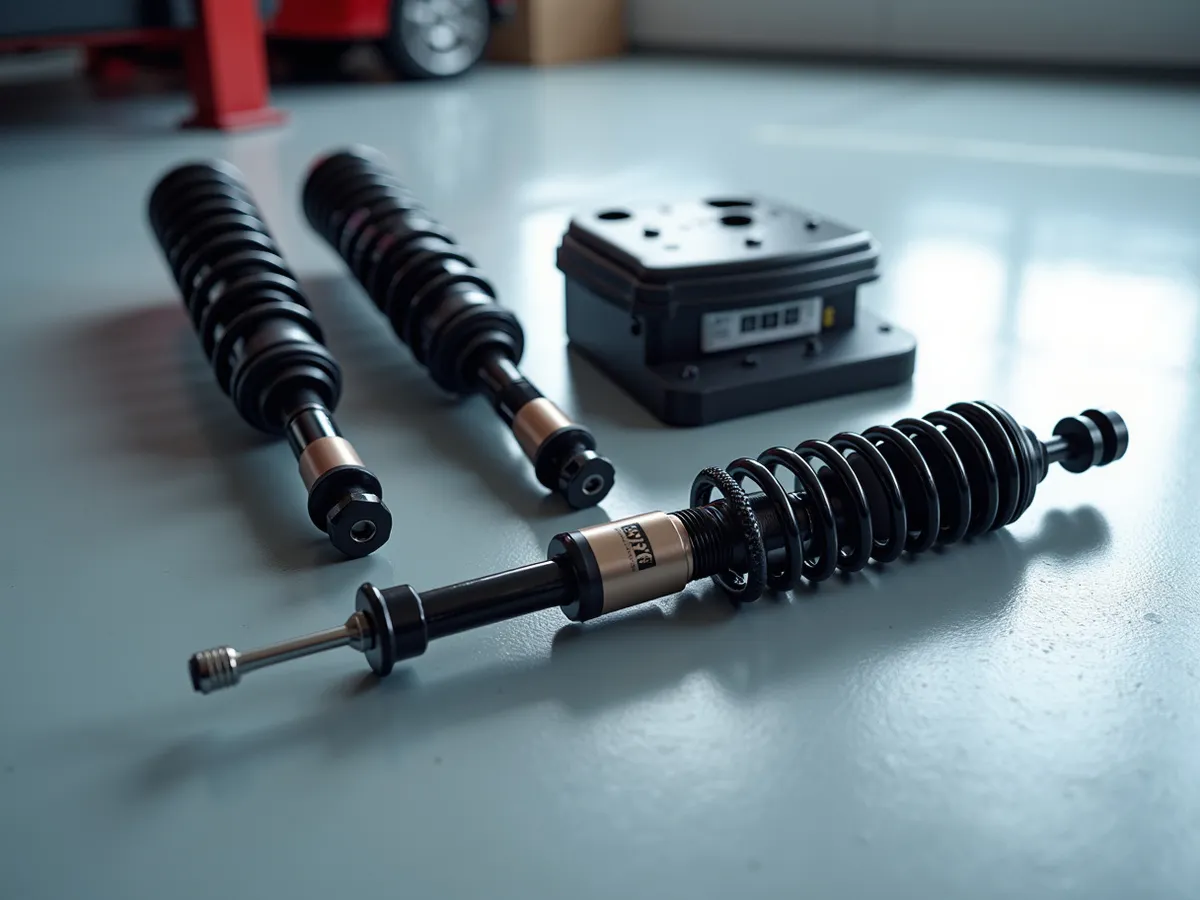
A suspension lift kit for the RAM 1500 that raises the coil-spring half-ton for 35s, keeping the rear coils and the ride that sets a Ram apart. The kit pairs taller coils and matched dampers with corrected arms, and we align to the new height so the coil rear keeps its soft ride with a trailer hitched, and we explain how the RAM's air springs change the plan.
-
Toyota 4Runner Lift Kit
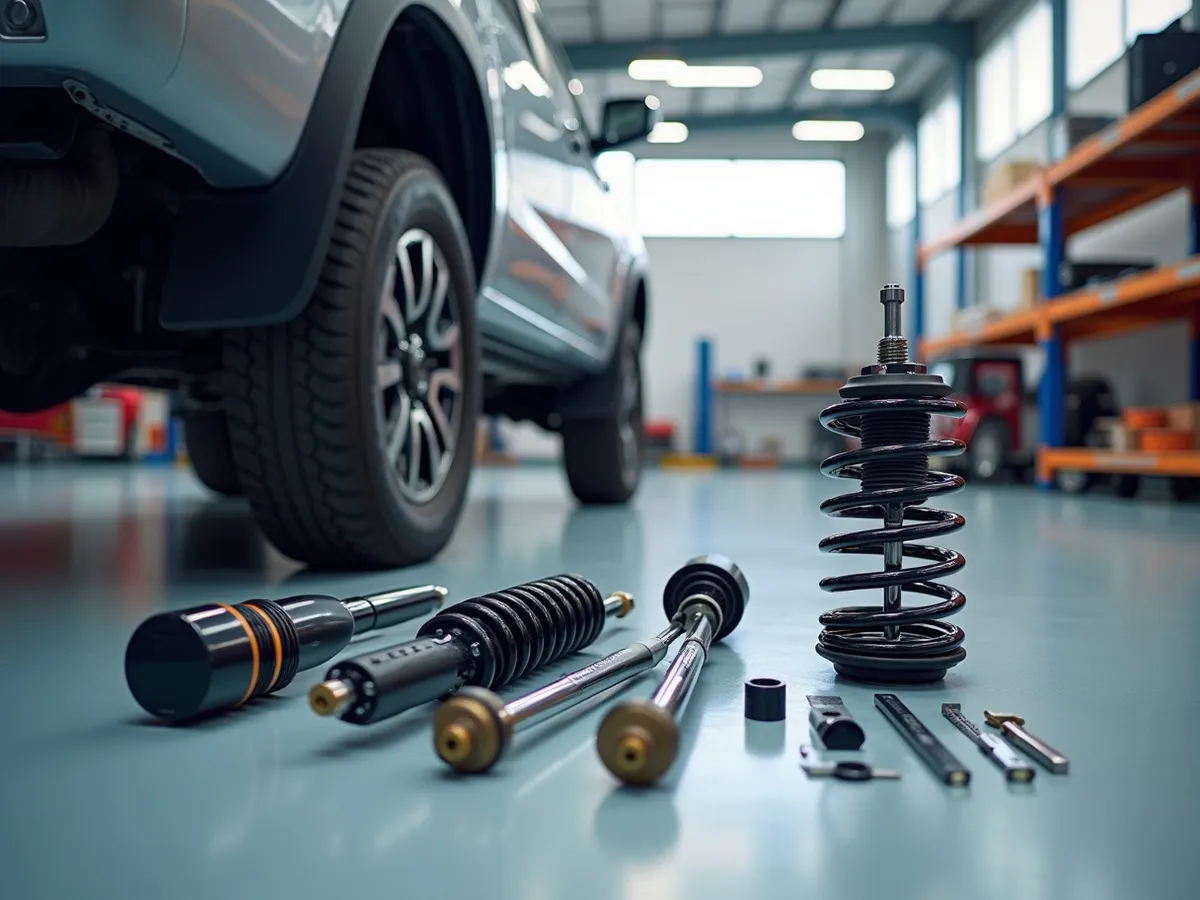
A suspension lift kit for the Toyota 4Runner that clears 33s and adds real trail clearance, with the geometry correction a coil-sprung, four-link SUV needs to stay stable on the highway. The kit pairs new front coils with matched rear springs and resets the panhard bar, so the axle stays centered and the SUV still rides the way a 4Runner should, and we price the panhard and spring work as one job. Ask us for a written quote that separates the springs, the shocks and the alignment.
-
Toyota Tacoma Lift Kit
A suspension lift kit for the Toyota Tacoma that adds real clearance for 33s, with the upper control arms and geometry correction a coil-over Tacoma needs to still drive like a Tacoma.
-
Toyota Tundra Lift Kit
A suspension lift kit for the Toyota Tundra that raises the half-ton for 35s, with the control arms, driveshaft work and alignment a full-size coil-over front needs. The kit brings up the front with taller coils and the rear with a block or an added leaf, then we correct camber, reset the driveshaft angle, check the rear pinion under load and road-test the truck at highway speed before it is handed back. Pricing follows the generation and the cab, so ask us to quote the exact Tundra. We source springs and dampers rated for the half-ton's weight, so nothing sags under the truck, and we road-test it loaded before handoff.


Cost and how-to guides
Plain answers on what this work costs. How it runs, with real ranges.
-
Leveling Kit Cost
A leveling kit across the Rio Grande Valley commonly runs from about $250 to $550 installed for a basic front spacer kit, $550 to $1,000 if you add matched front shocks, and $450 to $800 for leveling with a four-wheel alignment.
-
Lift Kit Cost
A lift kit in the Rio Grande Valley commonly runs from about $450 to $1,100 installed for a modest level-style spacer lift, $1,200 to $2,400 for a 2.5 to 3-inch suspension lift, and $2,400 to $4,200 for a 4-inch suspension package with steering correction.
-
Wheel Alignment Cost
A wheel alignment in the Rio Grande Valley commonly runs from about $70 to $120 for a front-only toe set and $110 to $200 for a four-wheel alignment.
-
Wheels and Tires Cost
Wheels and tires in the Rio Grande Valley commonly run from about $120 to $260 to mount and balance a set of four, with all-terrain tires priced around $180 to $380 each and aftermarket wheels around $150 to $500 each.
From the bay


Questions from the bay
How much lift can I run without changing the driveshaft?
On most independent-front trucks, two to two-and-a-half inches stays within the factory driveshaft angle and needs no new shaft. Past three inches we measure pinion angle and often add a shim or a longer front shaft to kill vibration under load.
Will a lift kit void my warranty?
A lift can affect a warranty claim only on the specific parts it touches, and a dealer has to show the modification caused the failure. We install kits that keep factory geometry corrections in place so unrelated claims stay clean.
Do I need bigger tires to lift my truck?
No, you can lift and keep the factory tires, though most drivers size up at the same time to use the clearance. We help you pick a tire and wheel combo that clears the fenders without trimming or rubbing at full lock.
How long does a lift kit install take?
A spacer or level-style lift is usually a single-day job. A full suspension lift with steering and driveline work takes longer, often into a second day, because every angle has to be set and road-tested before the truck is released.
Does a lifted truck need a special alignment?
Yes, and it is not optional. Raising the truck shifts camber, caster and toe, so we align it to the new ride height and set thrust angle. Without that step, front tires cup and the truck wanders at highway speed.
Can you lift a two-wheel-drive truck?
Absolutely. Two-wheel-drive half-tons and SUVs lift just as cleanly, and many owners do it for stance, tire clearance and looks. The parts differ from a four-wheel-drive kit, so we order by the exact drivetrain.
What is the difference between a lift and a leveling kit?
A leveling kit raises only the front to sit even with the rear, while a lift raises both ends. Leveling is cheaper and keeps the truck closer to stock; a lift adds real clearance and lets you run larger tires on both axles.
Will my truck ride worse after a lift?
Not if it is built correctly. Cheap spacer kits on tired shocks can feel floaty, but a matched spring-and-shock package often rides better than the worn factory parts it replaces. We tune the shocks to the truck's weight.
Do you align the truck as part of the lift?
We include a four-wheel alignment with every lift install, and we re-check torque and angles after the first few hundred miles. It is the only way to be sure the truck drives straight and the tires wear evenly.
Why Valley drivers bring their trucks here
- Lift, leveling, wheels and alignment under one roof, corrected and aligned.
- Written estimate before any part is ordered, with the extras called out.
- Fitment confirmed on your exact truck before you buy tires or wheels.
- Road-tested and re-torqued, with a settling check after the first miles.
Request a quote
Tell us the truck and what you want. We reply with a written quote for parts and labor.